What Is a Low-Sodium Diet?
Anyone who’s been told to try a low-sodium diet knows that cutting back on sodium can be a real challenge. It’s often not enough to put down the salt shaker; it’s also a matter of reading nutrition labels and cooking more of your meals at home.
How Does a Low-Sodium Diet Work?
The main focus of a low-sodium diet is keeping your daily sodium intake below 2,300 milligrams (mg) of sodium per day. Some plans suggest an even lower daily limit of 1,500 mg.
Some sodium in your diet is necessary, since it’s an electrolyte that supports hydration, blood volume, and nerve and muscle function.
However, most Americans get too much sodium — roughly 3,500 mg daily — which can increase blood pressure.
“Low-sodium diets decrease the risk of high blood pressure and reduce fluid retention, which are both good for heart health,” says Rohit Vuppuluri, DO, an interventional cardiologist at Chicago Heart and Vascular Specialists in Illinois.
Sodium causes your blood to retain more water, placing more pressure on your blood vessels. Over time, this added pressure can negatively impact heart health because it forces your heart to pump harder than necessary.
Because processed foods tend to have added sodium for both flavor and preservation, low-sodium diets tend to emphasize unprocessed or minimally processed foods, especially fruits, vegetables, whole grains, nuts, seeds, low-fat dairy, lean meat and poultry, fish, and unsaturated fat sources like vegetable oils.
“People with hypertension, congestive heart failure, and liver disease will benefit from a low-sodium diet,” Dr. Vuppuluri says. A low-sodium diet is also important for managing chronic kidney disease.
Types of Low-Sodium Diets
Low-sodium diets limit sodium intake and encourage the consumption of plant foods and lean proteins. Here are a few types of low-sodium diets that work well for anyone hoping to reduce their sodium intake.
DASH Diet
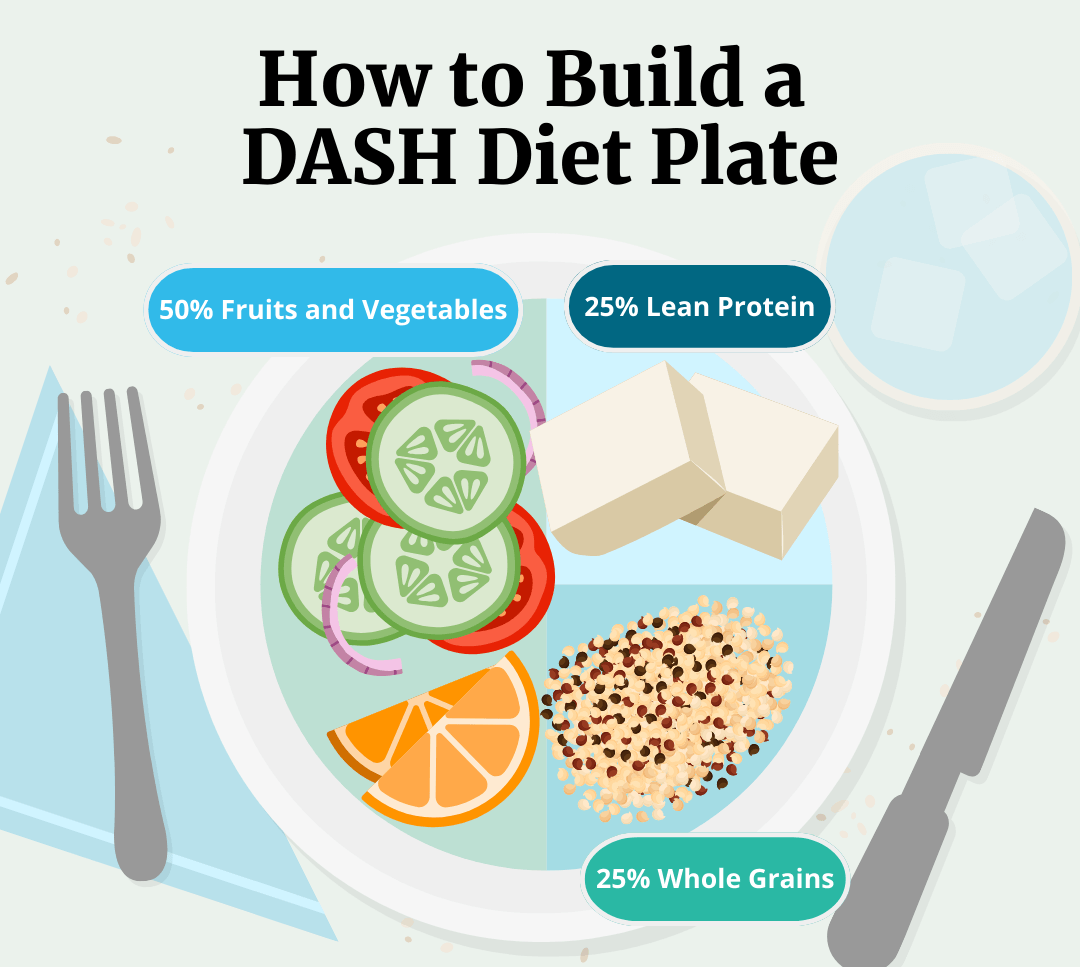
The most prominent low-sodium diet is the DASH (Dietary Approaches to Stop Hypertension) diet. The DASH diet encourages eating a specific number of servings from various food groups every day:
Fruits 4 to 5 servings per day
Vegetables 4 to 5 servings per day
Whole Grains 6 to 8 servings per day
Nuts, Seeds, and Beans 4 to 5 servings per week
Meat, Poultry, and Fish 6 servings or less per day
Low-Fat or Fat-Free Dairy 2 to 3 servings per day
“The Mediterranean diet emphasizes fruits, vegetables, legumes, grains, fish, and healthy oils while reducing meat and dairy intake,” says Sandra Avitia, RD, a dietitian with U.S. Renal Care who is based in Chicago.
The diet is flexible and doesn’t put strict limits on the amount of each food that you should eat, though it recommends consuming red meat infrequently and dairy in low to moderate amounts. It also recommends focusing on whole, minimally processed foods, which are often lower in sodium.
Other Diets That Can Be Low-Sodium
Technically, any eating pattern that includes 2,300 mg of sodium per day or less is considered a low-sodium diet. Keeping your sodium intake low is possible without strictly adhering to the DASH or Mediterranean diets. You can keep your sodium intake below this threshold by reading sodium amounts on nutrition labels, preparing your own food as often as possible without added salt, and choosing naturally lower-sodium options.
Potential Health Benefits of a Low-Sodium Diet
Eating a low-sodium diet typically means consuming a variety of nutritious foods, which comes with the following potential health benefits.
May Help Lower Blood Pressure
There’s a strong link between consuming excess sodium and having high blood pressure, so it’s hardly surprising that lowering sodium intake can also lower blood pressure. A review even found that following the DASH diet can significantly reduce blood pressure in people of all ages, even in people who don’t have high blood pressure.
May Help Lower LDL Cholesterol
Both the DASH and Mediterranean diet are high in fiber and unsaturated fats and low in saturated fat, sodium, and added sugar. Research shows that this style of eating can help lower low-density lipoprotein (LDL) cholesterol.
This is a good thing because too much LDL cholesterol leads to plaque buildup in your arteries, increasing your risk of heart attack, stroke, and heart disease.
May Help Manage Kidney Disease
In chronic kidney disease, the kidneys can’t regulate sodium and fluid levels in the body the way they can when they’re functioning normally. By limiting how much sodium you consume, a low-sodium diet can help reduce the likelihood of kidney disease complications, such as worsened kidney function and the need for hemodialysis (a procedure that does the work of your kidneys by removing waste from blood).
Can a Low-Sodium Diet Lead to Weight Loss?
“A low-sodium diet will decrease blood pressure which will reduce fluid retention, decreasing weight,” Vuppuluri says. But this loss of water weight is different from fat loss, he notes, and the scale will stop dropping once your body has rid itself of excess fluid.That said, following the DASH or Mediterranean diet could lead to fat loss if it also puts you in a calorie deficit (consuming fewer calories than your body uses each day), Vuppuluri says.Note that it can be difficult to achieve long-term weight loss through diet.
A review of existing research on 14 popular diets — including the Mediterranean and DASH diets — found that while people do tend to lose weight in the first six months, most of that weight loss is regained after one year.
Long-term, individualized behavioral changes are typically needed for long-term weight loss success, Vuppuluri says.
Still, following a low-sodium diet that’s rich in nutritious foods comes with plenty of health benefits.
Are There Any Disadvantages to a Low-Sodium Diet?
For most people, following a low-sodium diet doesn’t carry health risks.
In fact, the U.S. Dietary Guidelines for Americans recommend consuming no more than 2,300 mg of sodium per day, which is in line with a low-sodium diet.
However, Avitia notes that people who sweat a lot — like athletes and people in hot climates with labor-intensive jobs — need more sodium in their diet to make up for what’s lost in sweat.
If you fall into this category, have your blood sodium levels checked before starting a low-sodium diet. Having too little sodium in your blood (a condition called hyponatremia), can lead to nausea, vomiting, headaches, confusion, drowsiness, fatigue, irritability, and muscle weakness or cramps.
In severe cases, it can lead to seizures, coma, or death. However, these more serious symptoms are typically due to an underlying medical condition, not a low-sodium diet.
Otherwise, the biggest disadvantage of a low-sodium diet is that it can take time to get used to. “Foods low in sodium will seem less flavorful at first,” Vuppuluri says. However, your taste buds adjust to lower sodium foods over time.
“It is difficult to eat out at restaurants, as well, because sodium is often higher in these meals,” adds Vuppuluri.
A Detailed Low-Sodium Diet Food List and Foods to Avoid
It’s important to prioritize unprocessed or minimally processed foods when following a low-sodium diet, since processed ones tend to have sodium added for flavor and to extend their shelf life. Here are the best foods to eat on a low-sodium diet, plus the ones to limit.
Top 10 Foods to Eat
Fruits
Vegetables
Nuts
Seeds
Lean meats, like skinless chicken and lean pork
Fish and seafood, like salmon, cod, and crab
Vegetable oils, like avocado oil and olive oil
Beans and legumes
Herbs and spices
Low-fat or fat-free milk and yogurt
Top 10 Foods to Limit or Avoid
Table salt
High-sodium condiments, like mustard, ketchup, and bottled salad dressings
Packaged chips and crackers
High-sodium frozen meals
High-sodium canned soups
High-sodium canned vegetables
Cured meats, like bacon, deli turkey, and sausage
Cheese
Gravy
Electrolyte drinks
A 7-Day Low-Sodium Diet Sample Menu
You may have to get creative with different flavor combinations on a low-sodium diet, since the lack of salt may make the food taste bland until your taste buds adjust to less sodium. Here’s a sample menu from Teresa Balog, RD, a food service dietitian in Austin, Texas.
Day 1
Breakfast
Whole-grain oatmeal with frozen peaches and low-fat milk
Snack
Handful of nuts and a banana
Lunch
Mixed-lettuce salad with walnuts, apple, grilled chicken, and homemade red wine vinaigrette dressing with a slice of bread
Dinner
Grilled cod with green beans, brown rice, and a side of fruit
Day 2
Breakfast
Whole-grain toast with no-salt-added peanut butter, an apple, and a cup of fat-free milk
Snack
Yogurt and an apple
Lunch
Mixed-lettuce salad with walnuts, apple, grilled chicken, and homemade red wine vinaigrette dressing with a slice of bread
Dinner
Baked turkey breast with broccoli and almond-quinoa pilaf
Day 3
Breakfast
Low-fat yogurt with sliced peaches, walnuts, and a drizzle of honey
Snack
Apple and almonds
Lunch
Sandwich with avocado, grilled chicken, and veggies
Dinner
Homemade lentil soup with low-sodium crackers and a small cucumber salad
Day 4
Breakfast
Whole-grain oatmeal with a sliced apple, cinnamon, no-salt-added peanut butter, and low-fat milk
Snack
Steamed edamame with olive oil
Lunch
Chickpea salad with spinach, bell peppers, chicken, and homemade herb vinaigrette
Dinner
Chili-rubbed baked tilapia with roasted potatoes and broccoli
Day 5
Breakfast
Low-fat yogurt with mixed berries and low-sodium granola
Snack
Banana with no-salt-added peanut butter
Lunch
Whole-grain pasta salad with tomatoes, bell peppers, herbs, and tuna
Dinner
Pan-seared chicken breast with brown rice pilaf and stewed tomatoes
Day 6
Breakfast
Whole-wheat toast with scrambled eggs and avocado
Snack
Carrot sticks and homemade hummus (no salt added)
Lunch
Kale salad with walnuts, chicken breast, pumpkin seeds, and homemade vinaigrette
Dinner
Grilled cod with lemon, green beans in olive oil, and brown rice
Day 7
Breakfast
Whole-grain oatmeal with sliced banana, low-fat milk, and walnuts
Snack
Pear with cashews
Lunch
Spinach and quinoa salad with sliced apple, grilled chicken, and homemade vinaigrette
Dinner
Baked turkey breast with roasted potatoes, green beans, and slivered almonds
Getting Started With a Low-Sodium Diet: 4 Beginner Tips
If you’re new to a low-sodium diet, all the cooking and label-reading can feel overwhelming. Here are some beginner tips from experts.
Gradually reduce sodium.
It takes time for your taste buds to adjust to a low-sodium diet, since salt enhances a food’s flavor. Vuppuluri recommends starting slow and not expecting to cut your sodium intake down to 2,300 or 1,500 mg immediately. Reduce your intake over a couple of weeks to give your taste buds time to acclimate.
Try grilling.
Grilling adds a depth of flavor to food, which can make up for some of what’s lacking when you take out salt. Balog recommends learning to grill meats and vegetables if you’re on a low-sodium diet to make things a bit more interesting.
Lean on herbs and spices.
Herbs, spices, and salt-free seasonings are your best friend, Balog says, since they add extra flavor without any salt. Acids like vinegar and lemon juice can do the same, just be careful not to overdo it or you’ll end up with a strong sour flavor.
Keep it simple when eating out.
Restaurant foods typically have high amounts of sodium.
When in doubt, go with broiled or grilled entrees and steamed vegetables, Balog says. Since these items are typically made to order, it’s possible to order them with no salt added.
Other items — like braised meats, sauces, salad dressings, and roasted vegetables — are typically cooked or partially cooked ahead of time, so the salt has already been added and can’t be taken out, Balog explains.

Privacy Policy | Terms Of Service Disclaimer | About Us | Contact Us
Copyright © 2024 Health and Wellness Reports | All Rights Reserved.
This site is not a part of the Facebook website or Facebook Inc.
Additionally, this site is NOT endorsed by Facebook in any way.
FACEBOOK is a trademark of FACEBOOK, Inc.